- What does data center power design include?
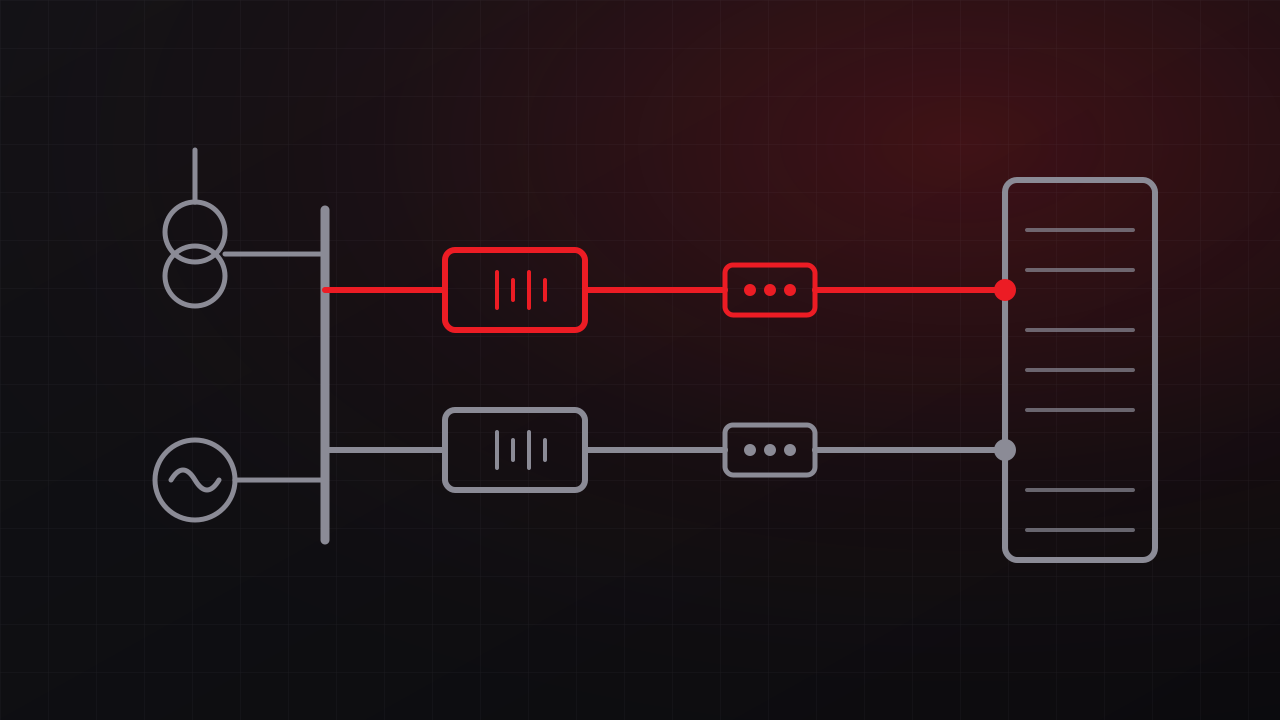
- It covers the full electrical path that serves IT equipment: utility service, standby generators and transfer equipment, UPS systems, distribution to the rack, grounding, and monitoring, along with the studies and commissioning that verify the design. The redundancy level you choose shapes each of those systems.
- What is the difference between N+1 and 2N redundancy?
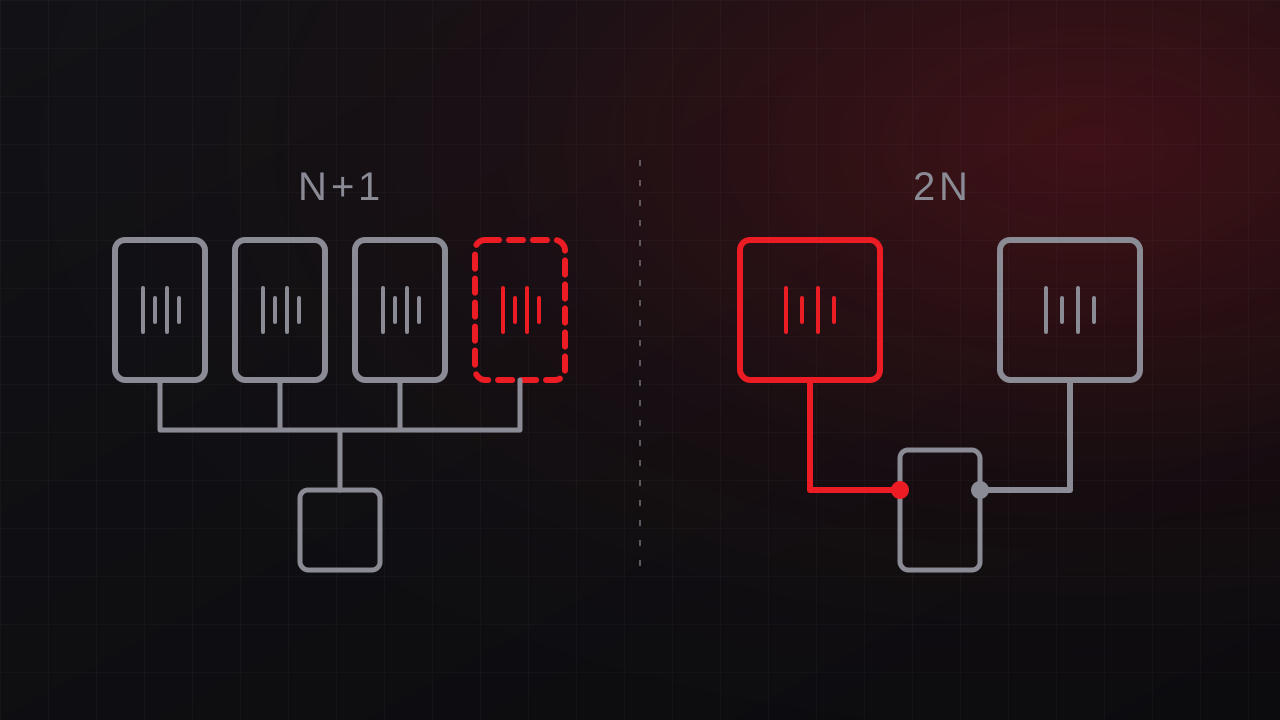
- N+1 adds one spare unit beyond what the load requires, so a single UPS module or generator can fail or be serviced without affecting the load. 2N provides two complete, independent power paths, each able to carry the full load, so an entire path can be lost or shut down for maintenance.
- Can you upgrade power in an existing server room?
- Yes. We start with an assessment of the service, UPS, circuits, loading, and cooling, then recommend upgrades in order of risk reduction, such as adding a maintenance bypass, separating A and B feeds, adding a generator connection, or increasing capacity for new equipment.
- Can you plan power for GPU and AI servers?
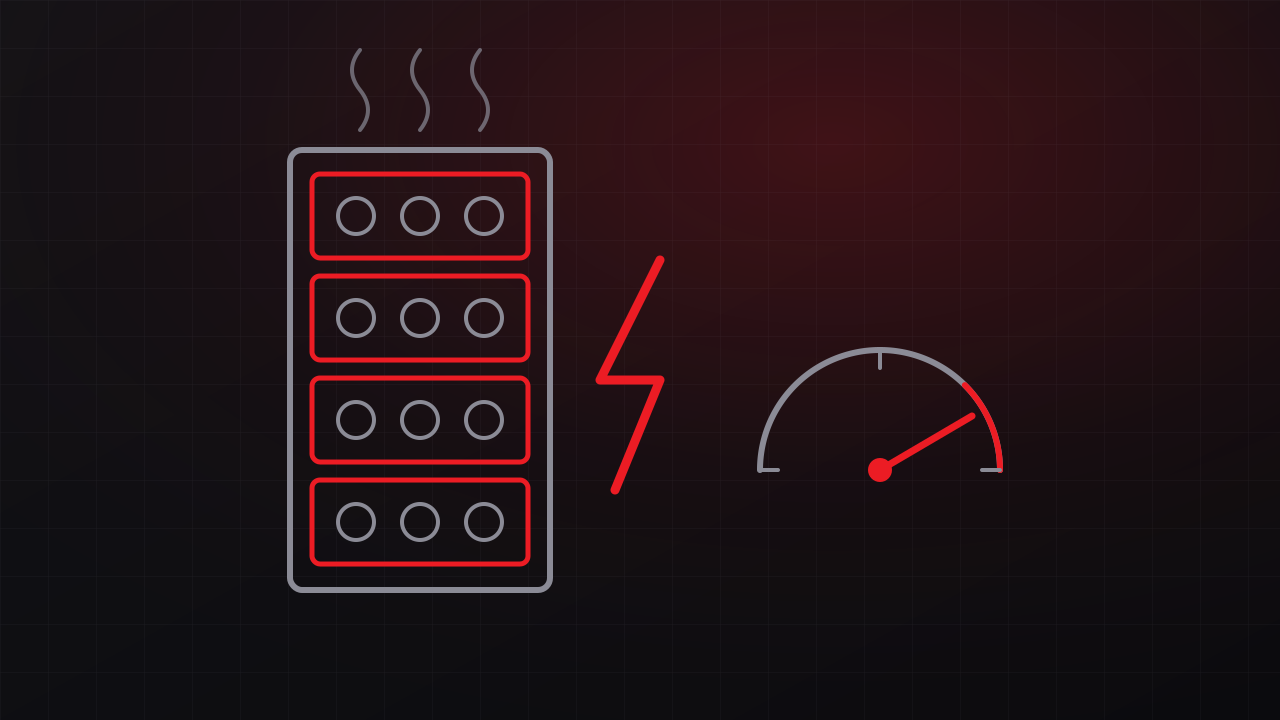
- Yes. High-density servers can exceed the capacity of existing circuits, UPS systems, and cooling. We determine what the room supports today and design the changes needed to add high-density racks safely.
- Do you work with our utility, contractors, and equipment vendors?
- Yes. Data center power projects involve the utility, electrical contractors, mechanical engineers, equipment manufacturers, and the building owner. We coordinate with each of them and document design decisions so the system is built and commissioned as designed.